
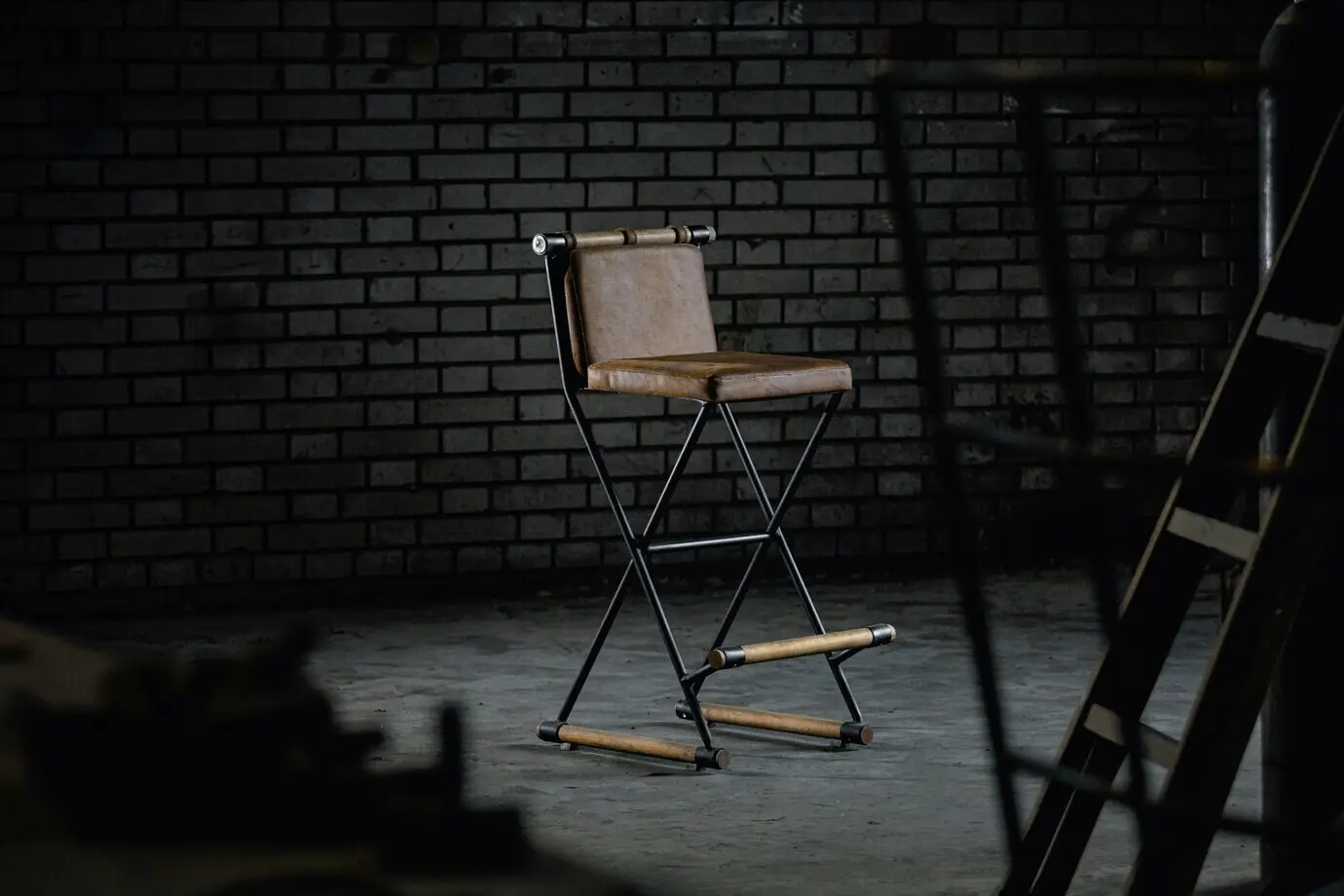
Elegance That Thinks: Smart Living Without the Mess
Design First, Tech Second
Calm Visual Hierarchies
Group controls by task, not brand, and align them with architectural joints to prevent chatter. Use shadow reveals, flush trims, and paint-matched plates to quiet transitions. Fewer, smarter touchpoints reduce decision fatigue while preserving tactile certainty for lights, shades, climate, and essential scene calls.
Material Continuity
Continue finishes across speaker grilles, sensor bezels, and access panels so surfaces read uninterrupted. Plaster-over speakers, veneer-wrapped doors, and microperforated metal matched to paint trick the eye. Even a well-placed shadow gap can make technology vanish while keeping airflow and signal performance intact.
Light as Structure
Treat light as architecture, using coves, grazing, and integrated channels to articulate planes without visible fixtures. Anti-glare optics hide sources, while circadian profiles shift color gently. Because illumination guides perception, concealed luminaires make rooms feel intentional, refined, and quietly intelligent from morning through evening.
Invisible Infrastructure That Works
Power and Data Without Bulk
Favor PoE for cameras, touch panels, and sensors to shrink power hardware. Use deep back boxes, floor outlets under furniture, and low-profile raceways hidden in baseboards. Plan a central rack with labeled patch panels, slack loops, and surge protection to simplify future changes.
Ventilation for Hidden Heat
Silent gear still produces heat. Integrate toe-kick grilles, baffled returns, and temperature-triggered fans inside millwork so airflow stays invisible. Isolate racks from living areas, decouple vibrations, and monitor cabinet sensors, protecting reliability without adding hum, dust, or distracting openings to your serene spaces.
Accessible Panels, Not Eyesores
Hide service panels behind magnetic millwork, artwork, or closet returns. Provide clearances, hinged pull-outs, and QR-coded diagrams so technicians work fast without disturbing finishes. You gain the magic trick of invisibility, plus the relief of straightforward access when updates or troubleshooting are necessary.


Control That Disappears
Media and Sound You Feel, Not See
Invisible Speakers, Honest Sound
Displays that Vanish
Cinemas Without a Black Box
Rooms that Hide the Magic